Analysis: Self-help, Psychology and AI Solutions in Addressing Mental Pressure at Work
## Analysis: Self-help, Psychology and AI Solutions in Addressing Mental Pressure at Work
### Introduction
Alongside growing attention to mental health in the workplace, there have been significant changes in both legislation and societal expectations. The Storting's recent amendment to the Working Environment Act, which places the psychosocial work environment on par with the physical environment, marks a paradigm shift. This analysis explores how these changes affect individuals' opportunities for self-help and psychological self-development, and which techniques, methods and digital tools can help employees overcome anxiety, depression and mental pressure at work.
## The psychosocial work environment – a new framework
The Working Environment Act has traditionally focused on physical conditions, but emotional and relational strains are now recognized as risk factors on an equal footing with noise, ergonomics and physical safety. This sends an important signal: employers must take active responsibility for employees' mental health, and employees now have stronger protection against mental pressure at work.
### What does mental pressure at work mean?
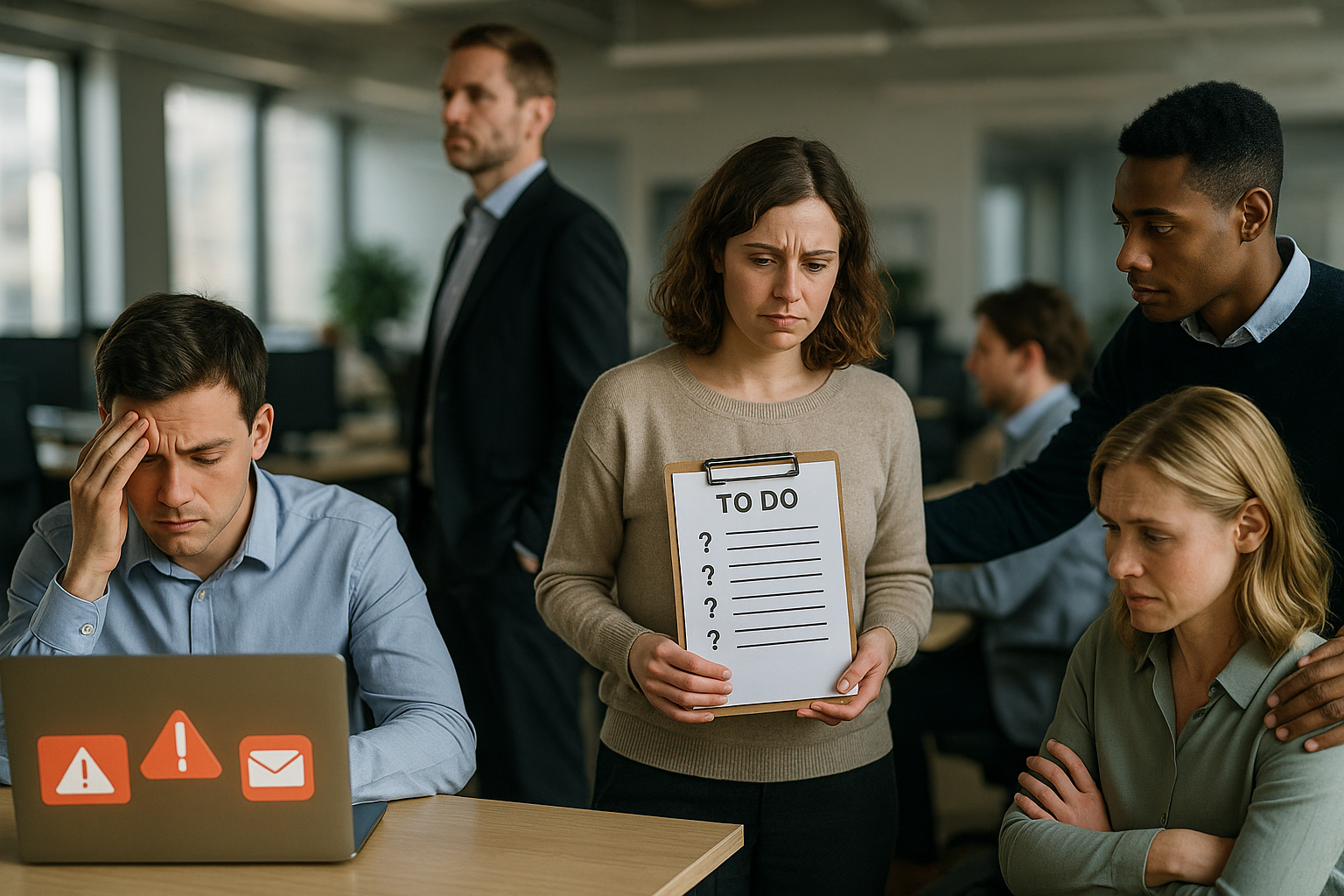
Mental pressure can manifest as:
- High work pace and time pressure
- Unclear or conflicting demands
- Emotional demands in people-focused work
- Lack of support or guidance from management and colleagues
- Unpredictability and lack of control over one’s own work situation
The National Institute of Occupational Health (Statens arbeidsmiljøinstitutt, Stami) estimates that around 15% of long-term sick leave is due to psychosocial causes. This underlines how important it is to develop both collective and individual strategies to strengthen mental health in the workplace.
## Self-help and psychology: Where to start?
Self-help in psychology is about taking responsibility for your own mental health, recognizing challenges and using tools to improve the situation. The new legal change reinforces both employer and employee responsibilities to create a safe psychosocial environment, but it is in the daily work on oneself that the biggest changes can happen.
### Core principles for self-help at work
1. **Awareness:** The first step is to acknowledge and identify what is causing stress and strain.
2. **Self-reflection:** What are your own reaction patterns to stress? How does it affect your self-esteem and motivation?
3. **Strategic communication:** Open and clear communication with colleagues and management about workload and expectations.
4. **Boundaries and prioritization:** Learn to say no, set realistic goals and prioritize tasks.
5. **Seek support:** Use collegial networks, occupational health services and external resources when needed.

## Effective techniques to manage mental pressure
### 1. Cognitive restructuring
Cognitive Behavioral Therapy (CBT) has proven effective for handling anxiety and depression related to the workplace. The technique involves identifying and challenging negative thought patterns, and then replacing them with more realistic and constructive thoughts. Example:
- "I can never do everything right" → "I do my best within reasonable limits, and that is good enough."
### 2. Mindfulness and stress management
Mindfulness-based techniques help you stay present and reduce rumination and stress. A simple exercise is to take a few deep breaths and focus on your senses for 2–5 minutes when you feel pressure building.
### 3. Physical activity as self-help
Regular physical activity has a direct, positive effect on mental health. A daily walk during lunch can be enough to break negative thought patterns and give you a mental breather.
### 4. Social support
Building good relationships at work is crucial. Share experiences and feelings with someone you trust – it helps reduce stress and often provides new perspectives on challenges.
### 5. Structure and routines
Good work routines provide overview and control, which counteracts feelings of chaos and overwhelm. Use planning tools, set up daily to-do lists and clear your calendar of unnecessary meetings.
## Digital self-help: How AI solutions can strengthen mental health
In addition to traditional self-help tools, technology has opened new opportunities for support and development. A modern and increasingly popular solution is the use of AI-based tools for mental health. Such solutions may include:
### 24/7 AI coach and digital tools
An AI coach can be available around the clock, providing support and guidance when needed – regardless of time and place. This can be especially useful when mental pressure arises outside regular working hours, or when it feels difficult to reach out to a colleague or manager.
#### How the AI coach can help:
- **Immediate response:** You get advice and support exactly when you need it, without waiting.
- **Personalized exercises:** Based on your responses and needs, the AI can suggest exercises for stress management, mindfulness or anxiety treatment.
- **Safety and anonymity:** Many find it easier to share thoughts and feelings with a digital coach, lowering the threshold for seeking help.
### Exercises for stress management and mindfulness
Many AI solutions offer a wide range of guided exercises for stress management and mindfulness. These can help you:
- Find calm and presence during hectic periods
- Learn breathing and relaxation techniques
- Build mental resilience over time
### Podcasts and audio resources
Podcasts about mental health, self-help, anxiety treatment and depression can provide knowledge, inspiration and practical advice. By integrating such resources into AI solutions, employees gain easy access to professionally updated content and concrete techniques they can use daily.
#### Benefits of digital mental health tools:
- **Flexibility:** Available when and where it suits you
- **Tailored recommendations:** AI can learn your patterns and needs, and suggest relevant resources
- **Low barrier to start:** No prerequisites or advanced technical skills required
By adopting AI solutions as a supplement to traditional self-help and psychological techniques, both employees and employers can strengthen the psychosocial work environment and reduce the risk of long-term mental health problems.
## Anxiety treatment, depression and self-esteem at work
### Anxiety in the workplace
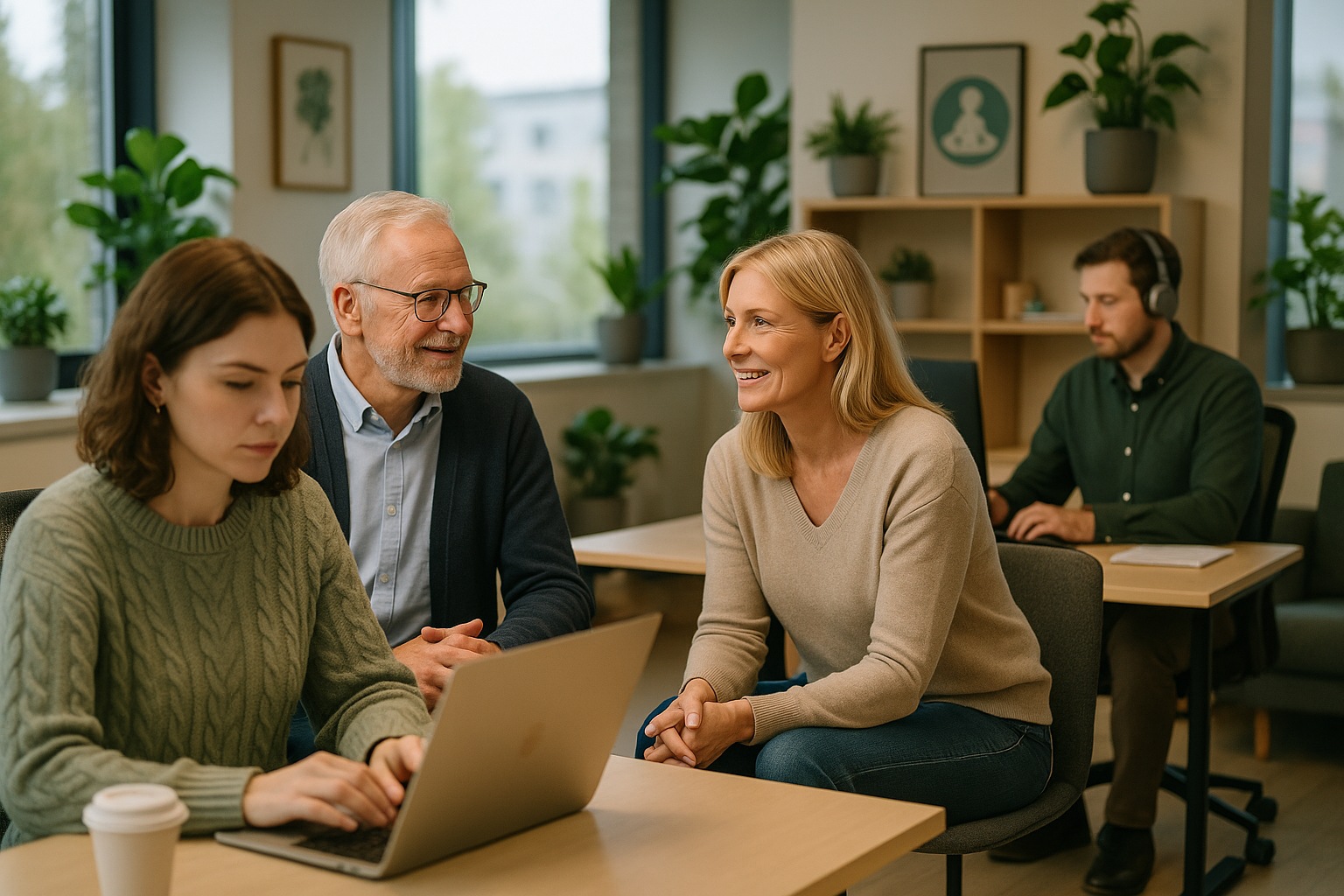
Work-related anxiety can stem from persistent pressure, fear of making mistakes, or uncertainty about one's role. Self-help tools include:
- Exposure: Set small, gradually challenging goals to master what you fear
- Relaxation techniques: Breathing exercises and muscle relaxation
- Reality testing: Check how realistic your worries really are
Here, AI solutions can contribute with tailored exercises and support, as well as serve as a digital conversational partner to manage anxiety in real time.
### Depression and mental pressure
Symptoms of depression can be worsened by a negative work environment, but it's also possible to counteract depressive tendencies by strengthening self-esteem and identity:
- Focus on your strengths and past successes
- Set small, achievable goals each day
- Seek professional help if symptoms persist or worsen
Digital tools and AI coaches can help you track progress, motivate you along the way, and provide daily reminders about small steps toward improvement.
### Confidence and self-development
A safe work environment and conscious self-help increase self-esteem, which in turn strengthens the ability to handle stress and challenges. Practical advice:
- Acknowledge your effort and results
- Practice taking space in meetings and conversations
- Dare to ask for help and feedback
AI solutions can assist with constructive feedback and daily reflection tasks that promote self-development and confidence.
## Employer's role and responsibility for the psychosocial work environment
The legal change gives employers a clearer responsibility for employees' mental health. This entails requirements to organize, plan and carry out work so that the psychosocial environment is fully defensible. For employees this means that:
- You can expect clearer frameworks, support and follow-up
- Risk assessments must be carried out also for psychosocial conditions
- There must be routines to handle conflicts, bullying and harassment
Smart digital tools and AI solutions can make it easier to map the work environment, detect early signs of mental pressure, and give both employees and managers access to relevant resources and support.
But even with good structures in place, individual self-help, digital aids and psychological effort will remain crucial for well-being and health.
## Lessons: What can employees and employers do in practice?
### For employees:
- Use self-help tools actively in everyday life
- Explore digital solutions for mental health, such as AI coaches, mindfulness apps and podcasts
- Be open about mental pressure – don't wait until it becomes unmanageable
- Participate in shaping the work environment, for example through health and safety committees
- Be aware of your own needs and limits
### For employers:
- Put mental health on the agenda, not just in words but in action
- Provide training on the psychosocial work environment for managers and employees
- Facilitate the use of digital self-help tools and AI solutions
- Create forums for feedback and support
- Follow up with measures when challenges are identified
## Future perspectives and challenges
The new legal amendment is a necessary and important step, but implementation will require sustained effort from both employers and employees. Many organizations have already started the work, while others will need time and guidance to get going. Technological changes, increased pace and demands for flexibility make it even more important to work systematically with mental health.
AI-based solutions and digital tools will play an increasingly important role, both as everyday support and as a supplement to traditional forms of self-help and psychology. At the same time, we must not underestimate the power of individual effort and human contact. Learning techniques to manage anxiety, depression and mental pressure is not only a personal responsibility, but also an investment in one’s own coping, well-being and development.
## Concrete advice: How to strengthen mental health at work
1. **Put words to your feelings** – either in writing, verbally, or through a conversation with an AI coach. It gives you clarity and reduces the feeling of chaos.
2. **Create an action plan** for what you can do yourself and where to seek support – both digitally and from colleagues.
3. **Prioritize sleep and physical activity** – this increases your resilience to mental pressure.
4. **Participate actively in work environment efforts** – this gives you influence and ownership of changes.
5. **Explore digital resources** such as mindfulness apps, stress management exercises and podcasts for replenishment and support.
6. **Be kind to yourself** – it is normal to feel pressure, but you are not alone in it.
## Conclusion: A new era for mental health in the workplace
With stricter requirements for the psychosocial work environment, increased focus on self-help and digital solutions like AI coaches, both employers and employees are better equipped to meet mental pressure at work. Self-help, psychological insight and technological support will be essential tools as we jointly build workplaces that promote productivity, safety and well-being.
Meta Description: A thorough analysis of self-help, psychology and digital AI solutions to manage mental pressure and strengthen mental health in the workplace. Practical advice and techniques.
Keywords: self-help, psychology, anxiety treatment, depression, mental health